

Key Takeaways
Tucson offers steady rental demand thanks to the University of Arizona, strong local employers, and a lifestyle that attracts students, families, and seasonal residents.
Understanding who your ideal tenant is before buying helps you choose neighborhoods, property features, and price points that align with local renter preferences.
Energy efficiency, durable materials, and low-maintenance landscaping are especially valuable in Tucson’s desert climate and help properties perform well as long-term rentals.
Reviewing zoning rules, HOA policies, and Arizona landlord requirements early helps ensure your rental strategy fits local regulations and supports consistent income.
Are you thinking about buying an investment property in Tucson, AZ? If so, you’re in the right place! Tucson is becoming a popular choice for long-term rental investors in Arizona.
While it may not get as much attention as Phoenix, that’s part of its appeal. The city offers character, history, and a reliable group of renters who tend to stay awhile.
Rental property investing works best when the market has staying power. Tucson offers that mix of affordability, lifestyle appeal, and consistent demand that can support stable rental income when you choose wisely.
What Is the Tucson Real Estate Market Like?
Tucson has its own rhythm. It’s home to the University of Arizona, a strong healthcare presence, aerospace and defense employers, and a growing number of remote workers drawn to the desert lifestyle.
Add in the mountain views, outdoor recreation, and distinct Southwestern culture, and you’ve got a city that continues to attract renters from different backgrounds.
The rental market isn’t one-size-fits-all. Some neighborhoods cater to short-term renters while others cater to long-term renters. The key is understanding which segment you’re looking to attract before you buy.
Unlike trend-driven markets that spike and cool quickly, Tucson tends to move at a steadier pace. That can be a good thing for investors who prefer predictability over volatility.
Top Tips for Real Estate Investments in Tucson
1. Think About Your Potential Tenants Before You Start Shopping
Many investors skip this step, but understanding renter preferences is essential when evaluating opportunities. Tucson has a wide mix of renters, including students, seasonal residents, military personnel, families, and long-term locals, and their priorities can vary.

In some areas, proximity to major employers, universities, or transit may be a key factor, while in others, features like neighborhood amenities, outdoor space, or school access may be more important.
Paying attention to what renters typically value in a specific area can help you filter listings more efficiently and avoid purchasing a property that may not align with local rental demand.
2. Pay Attention to Heat and Energy Efficiency
Tucson summers are no joke. Air conditioning isn’t optional; it’s essential. Before purchasing, take a close look at HVAC systems, insulation, windows, and roofing conditions.
Energy-efficient homes tend to attract renters faster and reduce complaints during peak summer months. Tenants appreciate properties that stay cool without driving utility bills through the roof. As an investor, fewer maintenance calls during extreme heat is always a win.
3. Don’t Underestimate Location Differences
Two properties may be only a few miles apart in Tucson, but feel completely different in terms of tenant appeal. Some areas are more suburban and quiet. Others are closer to downtown, nightlife, or campus life.
There are also neighborhoods with stronger long-term rental stability versus areas that see more turnover. Drive around the neighborhood. Visit at different times of day. Talk to locals if you can. The vibe of the area will often tell you more than a listing description ever could.
4. Budget for Ongoing Exterior Maintenance
Desert living comes with its own maintenance considerations. Landscaping, irrigation systems, and exterior paint can take a beating from intense sun and dry conditions.

Properties with low-maintenance landscaping tend to perform better as rentals.
Gravel yards, native plants, and efficient irrigation systems can reduce water use and simplify upkeep. Planning for exterior maintenance from the start protects curb appeal and keeps your property competitive.
5. Think Long-Term, Not Just Purchase Price
It’s tempting to focus heavily on getting a “good deal,” but long-term performance matters more than a slightly lower purchase price.
Look at durability. Look at neighborhood stability. Consider how easy the property will be to maintain over five or ten years. A home that requires constant repairs may cost more in the long run than one that’s slightly higher priced but more stable.
6. Understand Arizona Landlord Responsibilities
Arizona’s landlord-tenant laws outline responsibilities around habitability, notice requirements, and security deposits. Even in a landlord-friendly state, compliance matters.
Clear lease agreements, consistent screening practices, and proper documentation protect your investment. Staying organized from day one can prevent unnecessary disputes later.
7. Be Prepared for Seasonal Demand Shifts
Tucson’s rental activity can fluctuate throughout the year. Leasing near the university often follows academic calendars, while winter months may see demand from seasonal residents.
Planning lease renewals and marketing timelines around these seasonal patterns can reduce vacancy gaps. A little strategic timing can go a long way in maintaining a steady income.
8. Look for Properties That Feel Livable
At the end of the day, tenants choose homes they can picture themselves living in comfortably. Functional kitchens, usable living spaces, decent storage, and good lighting all matter.
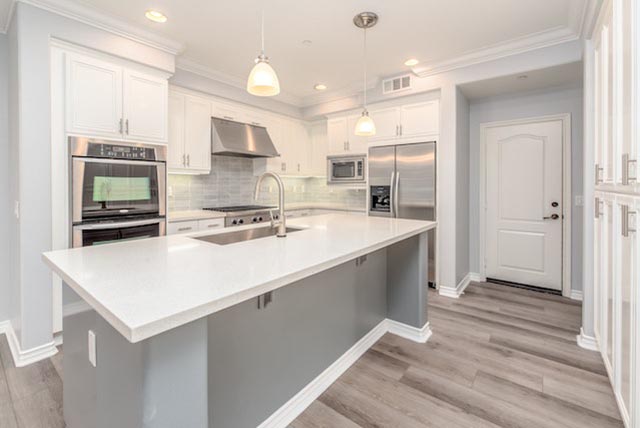
You don’t need luxury finishes to compete. Clean, well-maintained, and thoughtfully presented properties often lease just as quickly (sometimes faster) than overly upgraded homes with higher rent.
9. Check Zoning and Rental Restrictions Before You Close
Not every property in Tucson can be used the way you might expect. Some neighborhoods have HOA rules, rental caps, or minimum lease requirements. Others may have zoning distinctions that affect short-term rentals or multi-tenant setups.
Before you close, review any association documents and confirm the property aligns with your intended rental strategy. A quick check upfront can prevent major headaches later.
Making sure your plan fits within local rules protects your investment and keeps your income stream uninterrupted.
In a Nutshell: Real Estate Investing Tips in Tucson
Buying an investment property in Tucson, AZ, can be a smart move when approached with intention.
The city’s mix of university presence, employment opportunities, and lifestyle appeal creates steady rental demand, but success depends on choosing the right property for the right tenant.
Focus on location, energy efficiency, long-term durability, and realistic budgeting.
Think about who your renters are and what they value. And if you’d rather not handle maintenance calls in the middle of a July heat wave, working with a knowledgeable local property management company like Blue Fox Properties can help protect both your time and your investment.