

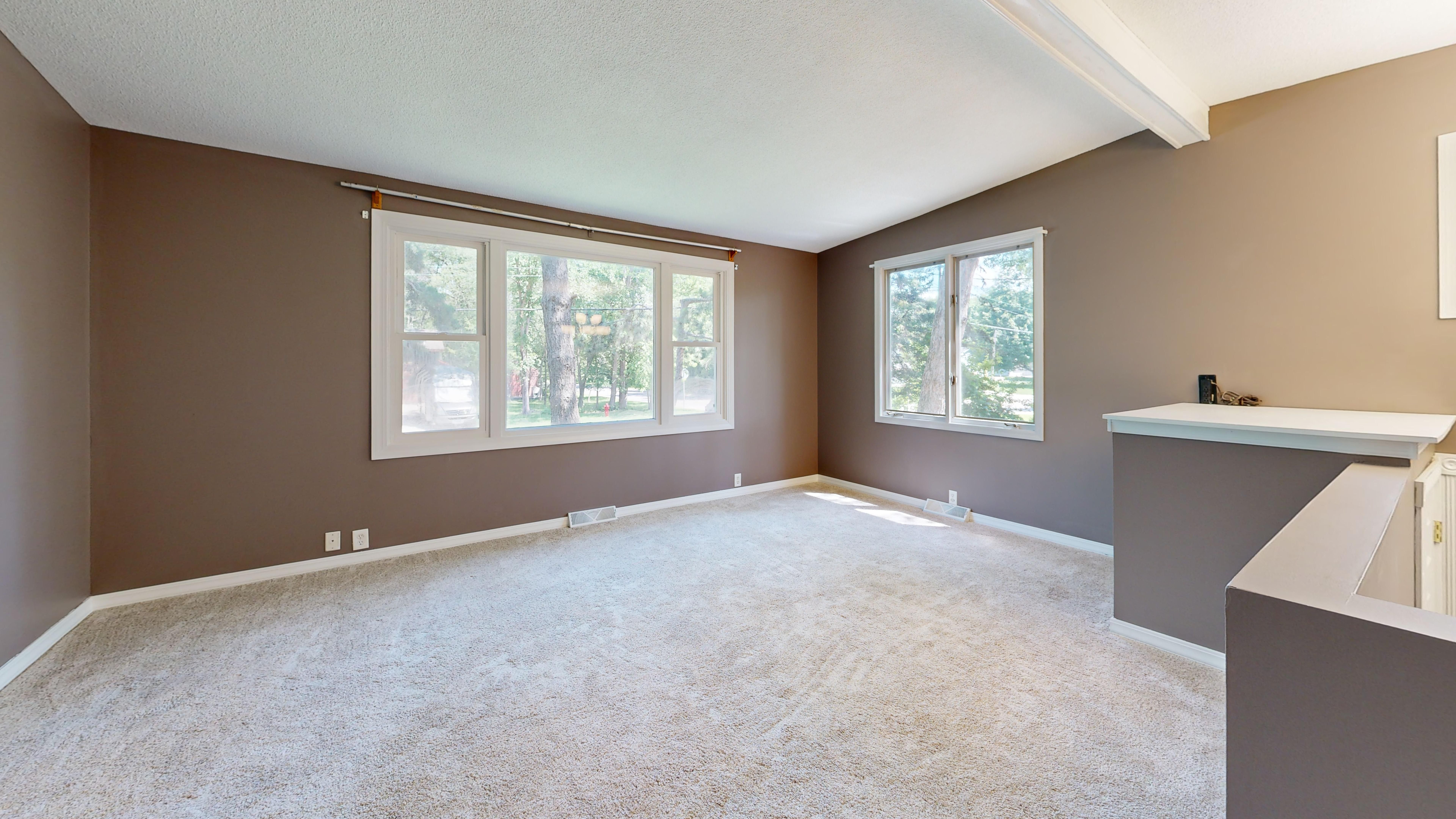
Key Takeaways
- Vacancy, not tenant damage or missed rent, is typically the most expensive risk a rental property owner faces.
- Most landlord insurance policies include a vacancy clause that reduces or voids coverage after 30 to 60 days of a property sitting empty.
- An empty house has no one to catch small problems — leaks, break-ins, HVAC failures — before they become expensive repairs.
- Carrying costs (mortgage, taxes, HOA dues, utilities, insurance) keep adding up every month a property sits vacant, with no rent coming in to offset them.
- A modest rent reduction almost always costs less than another month of vacancy.
What's the worst thing that can happen to a rental house? Most owners immediately think of pet damage, tenant damage, or a resident who stops paying rent. The real answer is simpler and far more common: leaving the property vacant.
Vacancy is the risk we see cost owners the most money, most often. It usually starts innocently enough: a landlord prices the property above market, reasoning that a higher rent will make up the difference even if it takes longer to fill. In practice, the opposite happens. Every extra week on the market chips away at the profit that higher rent was supposed to protect, and it opens the door to a set of risks many owners don't see coming until it's too late.
The Hidden Insurance Gap in a Vacant Property
Most landlord insurance policies are written with the assumption that someone is living in the home. Tucked into the fine print of nearly every standard policy is a vacancy clause, and it can quietly gut your coverage right when you need it most.
According to the Insurance Information Institute, most landlord and homeowner policies limit or exclude coverage once a property has sat empty for roughly 30 to 60 consecutive days, since insurers view unoccupied homes as a much higher risk for fire, vandalism, theft, and undetected water damage.
For an owner, that can mean a denied claim after a break-in, a burst pipe, or an electrical fire — right at the moment a payout would matter most. Extended vacancy coverage does exist, but it typically comes at a premium. It's worth a call to your insurance agent to understand exactly when your coverage starts to change, before you're relying on it.
No One Is Watching for Small Problems
When a resident lives in your property, they're effectively your first line of defense. A slow leak under the sink, a failing water heater, a roof that's started to drip — a resident notices and calls. In a vacant house, none of that happens.
Small issues can sit undiscovered for days or weeks. An interior leak can turn into mold damage. An irrigation line left running can quietly rack up a massive water bill before anyone realizes it. The cost of a vacant month is rarely just the lost rent — it's the repair bill that comes with it.
Routine Maintenance and Utility Costs Don't Pause
A vacant property doesn't stop needing care just because no one's living there — the bills just move from the resident's ledger to yours.
- Yard maintenance, which a tenant would normally handle, becomes the owner's responsibility.
- The interior needs periodic cleaning to stay presentable for the next applicant touring the home.
- Water has to stay on for irrigation and cleaning, and electricity has to stay on for lighting, security, and the HVAC system.
- Prospective tenants touring an empty home sometimes turn down the thermostat and forget to reset it, which can quietly inflate the electric bill.
Vacant Properties Can Attract Vandalism and Squatters
An occupied home signals that someone is paying attention. An empty one signals the opposite. Vacant houses are more likely to draw graffiti, theft of appliances or fixtures, and in the worst cases, squatters — and word that a property is sitting empty tends to travel fast, even in quiet neighborhoods.
That risk is well documented outside the rental industry too — the Property Insurance Coverage Law Blog notes that vacant buildings face a materially higher risk of loss from fire, vandalism, theft, and weather damage simply because there's no one present to catch a problem early.
Once vandals or thieves target a property, the owner is left with repair costs and, sometimes, a lingering reputation in the neighborhood that makes it harder to attract quality tenants once the home is back on the market.
Curb Appeal Slips Fast
A tidy, cared-for exterior tells prospective tenants the home is well maintained. Left unattended, weeds take over the landscaping, trash accumulates in the yard, and an HOA or the city may issue violation letters and fines for the upkeep no one's doing. It's one more expense stacked on top of an already costly vacancy.
Vacancy Carrying Costs Add Up Fast
Every month a rental sits empty, the mortgage, property taxes, HOA dues, utilities, and insurance premiums keep coming due — with no rent to offset any of it. Add those carrying costs to the lost rental income itself, and a single month of vacancy can easily total thousands of dollars.
The Smart Solution: Price It to Rent, Not to Sit
Leaving a property vacant while holding out for a higher rent is almost always more expensive than adjusting the price and getting it filled. A $100 reduction in monthly rent is a fraction of the cost of losing an entire month's rent to vacancy — and that's before factoring in the insurance, maintenance, and security risks above.
- One month of vacancy typically costs far more than a modest rent reduction.
- Occupied houses are protected houses — residents provide natural security and catch maintenance issues early.
- Cash flow beats vacancy every time.
In a Nutshell
The worst thing you can do to a rental house isn't pet damage, tenant turnover, or even a missed rent payment — it's leaving it empty. Vacancy quietly erodes insurance coverage, invites deferred maintenance and vandalism, and keeps the bills coming with no rent to offset them. Instead of holding out for an unrealistic number, price the home to attract a qualified resident quickly. A rental house that's occupied is a protected house, and steady cash flow will outperform a prolonged vacancy every time.
Blue Fox Properties has managed rental homes in Tucson, Arizona since 2009. Visit bluefoxproperties.com to learn more about how professional property management can help keep your rental occupied and protected.